Build the foundation of a great career as an engineering officer in the dynamic maritime industry - the backbone of modern international trade. This innovative new course combines the benefits of a maritime cadetship programme, supported by a sponsoring company and offering extensive hands-on training at sea on real working vessels, with the recognised career-enhancing potential of a full academic honours degree.
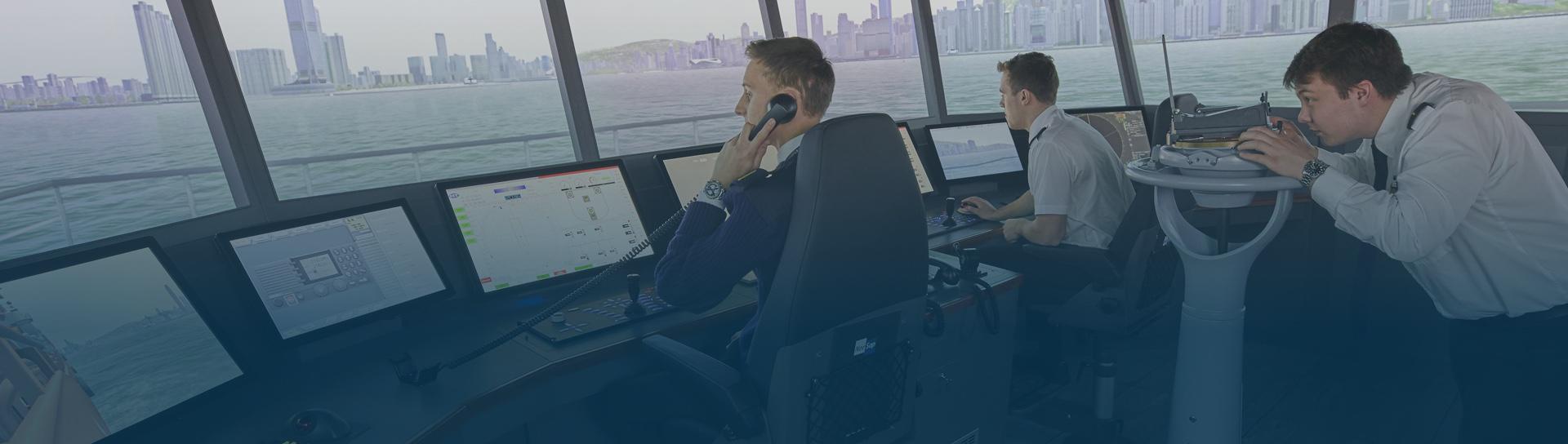
Fully sponsored by one of a huge range of shipping and maritime companies, and developed to meet the specific needs of the shipping industry and the Merchant Navy Training Board, your degree cadetship combines rigorous academic study at our dedicated cadet training centre in Southampton – one of the UK’s busiest ports – with extensive practical training at sea. Shipping out as an engineering officer cadet on a range of vessels owned or operated by your sponsoring company, you will develop the essential skills, knowledge and behaviours needed to become a Marine Engineering Officer in the Merchant Navy.
You will acquire a strong understanding of relevant modern ship-board engineering and electrical systems, their operating principles and safe practices. And you will develop a range of practical engineering skills appropriate to operating and problem-solving for ships’ propulsion and auxiliary machinery systems, as well as other relevant systems, in a safe and efficient manner.
As part of your degree cadetship, you will gain your first qualification as an Engineering Officer of the Watch – and be equipped with all the knowledge and understanding to you need to undertake tasks as detailed in the industry-based onboard training – and with academic exemptions for further professional qualifications under the internationally recognised Standards of Training, Certification and Watchkeeping (STCW) and UK Maritime and Coastguard Agency (MCA) regulations.
And with a full academic honours degree, you will also be well placed for a range of senior, shoreside and management roles later in your career – making this the perfect course for a long and lasting career in maritime engineering.
This programme is aligned to the new UK-wide maritime officer cadetship syllabus developed by the Cadet Training and Modernisation (CT&M) Programme, led by the Maritime and Coastguard Agency (MCA). Effective from September 2025, the new syllabus reflects the current practices and technology used aboard modern vessels and supports the development of 'human element' skills - essential learning for today’s aspiring officers.
Certificate in Practical Artificial Intelligence
Every student at Solent University will also have the option to study an additional Certificate in Practical Artificial Intelligence qualification alongside their course. Free of charge, the course ensures you'll be prepared for a fantastic and varied career after graduation.
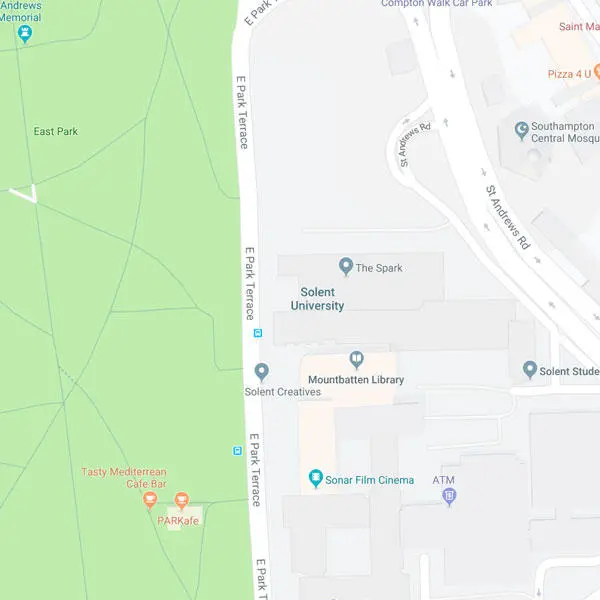
The main classroom teaching for this course is delivered from Solent University's East Park Terrace campus, located in Southampton city centre.
All mandatory STCW maritime safety training courses are delivered from our Warsash campus.


Purpose-built and fully-equipped for teaching the use of machine tools, welding and electrical maintenance for marine engineers.
Find out more
Our purpose built fire school provides a realistic but safe environment in which seafarers can learn the vital techniques of fighting fires at sea.
Find out more104-120 UCAS points.
Candidates who have completed a foundation degree or HND cadetship in Marine Engineering or Marine Electrical and Electronic Engineering, and who have achieved an overall average score of 50% or higher, or hold a SQA HND Pass in Marine Engineering or Marine Electrical and Electronic Engineering will be welcomed.
All cadetship programmes welcome applications from UK and International applicants as long as they meet the academic and PSRB requirements. Warsash Maritime School welcome a diverse range of students and the school is committed to delivering a uniform experience to all students.
Officer cadets must be in good health and capable of passing the Merchant Navy Medical Examination (ENG1).
Anyone contemplating a career as a ship’s officer would be well advised to take a medical examination and sight test as soon as possible to find out if there are any physical bars to their career aspirations.
The MCA holds a list of approved doctors throughout the UK who are able to provide ENG1 seafarer medical examinations. This list can be found here.
British shipping companies will normally only recruit UK or European Union nationals. However, the MCA certificates of competency may be awarded to people of any nationality and the training programmes are open to all.
A potential international candidate from outside the UK and EU should secure sponsorship from a suitable shipping company that will be able to provide appropriate sea service as part of the cadetship programme.
International students should also hold a formal International English Language Testing System (IELTS) certificate of at least 5.5, as a good knowledge of written and spoken technical English is required to commence the programme.

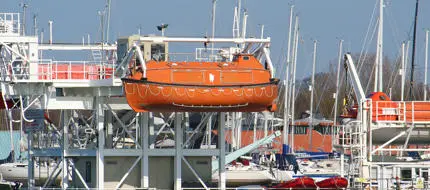
The pier head is used for maritime safety training for seafarers and safety training for those working on offshore installations.
Find out more
The medical centre uses the same type of equipment found on board ships for mandatory medical training for ships' officers.
Find out moreTo apply for this course, you must undertake a three year engineer officer cadet training programme approved by the Merchant Navy Training Board (MNTB) and meet the academic entry requirements as stated.
The next step is to find a company to sponsor you so you can complete the sea service elements of the training programme. You should apply direct to the sponsoring companies for details of their recruitment policies and the availability of sponsorship.
There are a number of UK sponsoring companies that recruit UK/EU nationals as officer cadets to work in the various shipping sectors of the merchant navy (for example, cargo, container, cruise, tanker etc.), either individual shipping companies recruiting to fulfil their own staffing needs or training organisations that recruit on behalf of their clients.
Companies normally start the recruitment process around January each year for entry in the following September or January.