HND Marine Engineering (Engine Cadet Programme)
About this course
The Higher National Diploma (HND) in Marine Engineering provides an industry‑aligned pathway for aspiring engineer officers to build the technical competence, professional judgement, and operational readiness required in today’s global maritime sector.
Rooted in the standards of STCW and aligned with contemporary marine engineering practice, the programme blends theoretical understanding with hands‑on skills development across propulsion systems, vessel operations, and safety management.
Cadets will develop a strong foundation in engineering science, thermodynamics, electrical and mechanical systems, and control technologies, while also gaining the practical workshop experience essential for safe and effective performance at sea.
This is an intensive and professionally demanding programme: you will progress through modules at pace during university phases, with full working days on campus and independent study expected outside scheduled teaching.
The HND Marine Engineering cadetship programme has five main components:
- A 10-week 'academic ramp' to support cadets to prepare for studying in a higher education environment.
- A HND Marine Engineering, providing the underpinning academic knowledge requirement for both the operational and management level Certificate of Competence (CoC).
- A minimum of eight months' sea time with your sponsoring company to complete a training record book that evidences your professional competency at the operational level.
- A MCA-approved workshop skills programme.
- A range of MCA-approved STCW short courses to provide critical knowledge in safety and operations.
Designed for a diverse cohort, the cadetship programme emphasises problem‑solving, professionalism, and operational resilience - qualities central to modern maritime careers. By the end of the programme, you will be equipped with the knowledge, skills, and confidence to contribute to safe vessel operations and the wider maritime engineering workforce, as well as having the underpinning requirements to achieve your Engineering Officer of the Watch (EOOW III/1) Certificate of Competence, issued by the UK Maritime and Coastguard Agency (MCA), as defined in MSN 1857 Amendment 1.
This programme is aligned to the new UK-wide maritime officer cadetship syllabus developed by the Cadet Training and Modernisation (CT&M) Programme, led by the Maritime and Coastguard Agency (MCA). Effective from September 2025, the new syllabus reflects the current practices and technology used aboard modern vessels and supports the development of 'human element' skills - essential learning for today’s aspiring officers.
What you'll study
Phase 1
- 39 weeks (this is approximate and subject to change)
- Introduction to Marine Engineering
- Maritime Electrical Machines
- Maritime Mathematics for Engineers
- Maritime Thermodynamics and Mechanics
- Operational Electrical and Electronic Control Systems
- Operational Marine Engineering Knowledge
- Operational Maritime Law and Project Management
- Operational Naval Architecture and Stability (Engineering)
- MCA Marine Engineering Workshop Skills (Part 1)
- Maritime safety training courses:
- STCW Basic Safety Training Week (BSTW)
- Proficiency in Designated Security Duties
- Cadet Cyber Awareness (CCA)
- Entry Into Enclosed Spaces
- Human Element, Leadership and Management - Operational
- High Voltage - Operational
Phase 2
- 26 weeks (sea phase lengths are approximate and subject to change)
- MNTB Training Record Book
Phase 3
What you'll study
Where you'll study
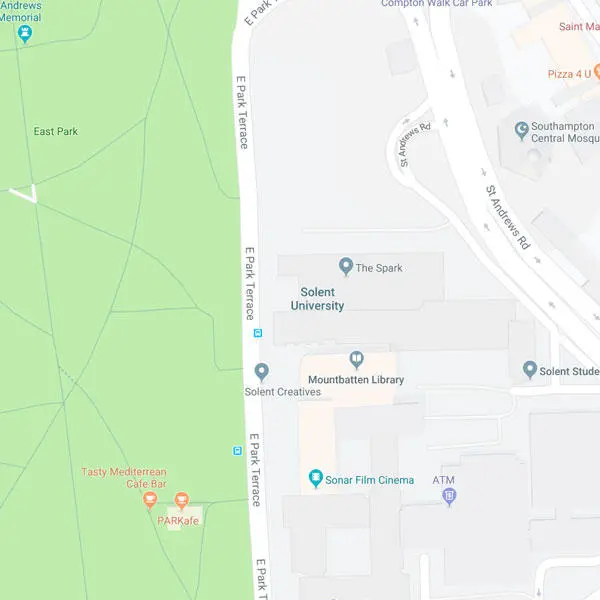
The classroom teaching and workshop instruction for this course is delivered from Solent University's East Park Terrace campus, located in Southampton city centre. All mandatory STCW maritime safety training courses are delivered from the Warsash campus.
Facilities

Marine engineering workshops
Purpose-built and fully-equipped for teaching the use of machine tools, welding and electrical maintenance for marine engineers.
Find out more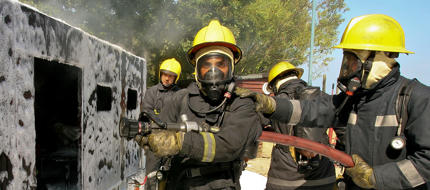
Fire school
Our purpose built fire school provides a realistic but safe environment in which seafarers can learn the vital techniques of fighting fires at sea.
Find out more
How to apply
Entry requirements
Four GCSEs at grade 9 to 4 (A* to C), including:
- Maths (preferably Higher Tier)
- Physical Science (e.g. Physics, Engineering Science, etc)
- English
- One other subject (e.g. Geography, Computing Science)
- Passes in four subjects in the Scottish Certificate of Education (as above)Or
- Passes in four subjects in the Northern Ireland Grammar School Senior Certificate Exam (as above).
- Or successful completion of a Level 2 Pre-Cadetship
Medical requirements
Officer cadets must be in good health and capable of passing the Merchant Navy Medical Examination (ENG1).
Anyone contemplating a career as a ship’s officer would be well advised to take a medical examination and sight test as soon as possible to find out if there are any physical bars to their career aspirations.
The MCA holds a list of approved doctors throughout the UK who are able to provide ENG1 seafarer medical examinations. This list can be found here.
Nationality
British shipping companies will normally only recruit UK or European Union nationals. However, the MCA certificates of competency may be awarded to people of any nationality and the training programmes are open to all.
A potential international candidate from outside the UK and EU should secure sponsorship from a suitable shipping company that will be able to provide appropriate sea service as part of the cadetship programme.
International students should also hold a formal International English Language Testing System (IELTS) certificate of at least 5.5 overall and a minimum of 5.0 in each component, as a good knowledge of written and spoken technical English is required to commence the programme.